











Football Breathwork Program
Calm Under Pressure Can Be Trained
Build the biological foundation for calm confidence, sharp focus, and consistent performance - and become the difference maker coaches trust when others choke.
4.85/5 – trusted by 150+ Players of clubs including

Football Breathwork Program
Calm Under Pressure Can Be Trained
Build the biological foundation for calm confidence, sharp focus, and consistent performance - and become the difference maker coaches trust when others choke.
4.85/5 – trusted by 150+ Players of clubs including

PERFORMANCE BREATHWORK TRAINING
BREATHE BETTER - PLAY STRONGER
More Oxygen - Less Fatigue
Trained breathing muscles keep blood and oxygen flowing to your legs when it matters most. Less heaviness. More in the tank in the 80th minute.
Stay Sharp When the Game gets Emotional
Your breathing rate controls your nervous system. Train it and you stay clear-headed when the pressure spikes, the referee makes a bad call, or you give the ball away.
Recover Faster - Sleep Deeper
Your body repairs itself during sleep. Breathing exercises before bed shift your nervous system into recovery mode faster than any supplement on the market.
For me, it’s important to keep developing and to have tools that support my athletic career -helping me squeeze out those extra few percent. Emotionally and mentally, Stefan's breathwork program helped me calm down, activate before games and training, regulate myself in challenging situations, and stay fully centered.
87.5% OF ATHLETES BREATHE DYSFUNCTIONALLY
It costs your legs power, your mind focus and your emotions balance. Mental strength is the ability to enter games focused, to stay emotionally in control even after mistakes or bad calls - and to stay calm under pressure. Breathwork training helps close the gap.
MOST PLAYERS DON'T KNOW THE DOWNSIDES OF
DYSFUNCTIONAL BREATHING
Matchday -1
Performance Anxiety
The game is still hours away but you feel restless, with a nervous stomach and a racing mind - burning vital energy you miss in game.
Kickoff
No Focus - No Flow
It takes 5–10 minutes to "mentally arrive.”
One small mistake → Confidence drops →
You start playing safe → Coaches notice!

Final Minutes
Rushed Decision Making
You want to push but your system hits the brakes.
Overbreathing can:
deprive your brain and muscles from oxygen - making you feel flat
increase feelings of panic and nervousness
impair decision making
Post Game
No Recovery. No Progress.
The match ends but your system stays on high alert. You lie in bed exhausted, but awake, replaying mistakes, overthinking every moment. The next day, you feel heavy, not fully recovered and the cycle repeats.
YOUR TRANSFORMATION
WHAT PERFORMANCE BREATHWORK CAN GIVE YOU

INNER CALM
Mental Composure under Pressure
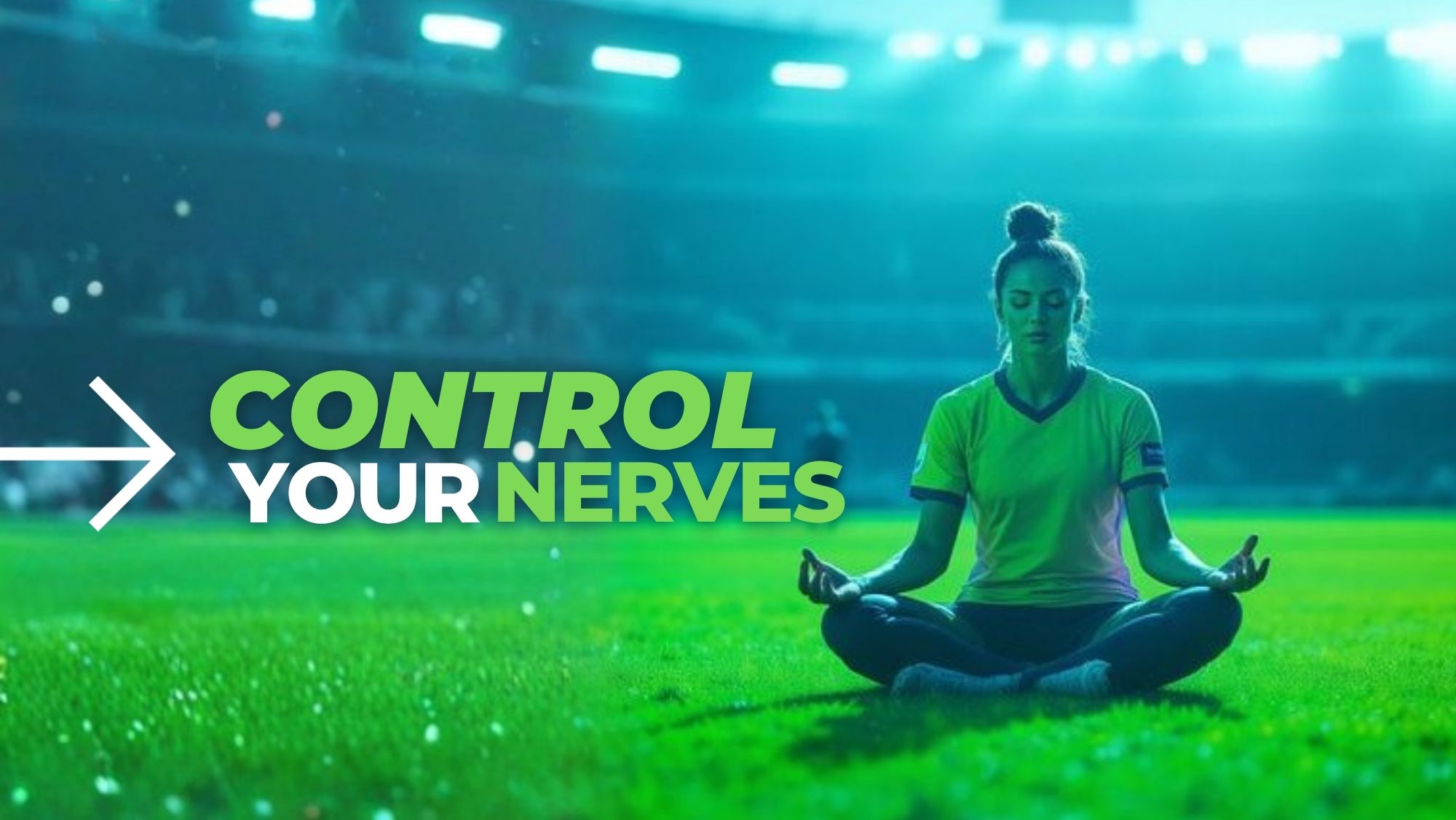
Trained breathing can change biochemistry in a way it can help you stay more calm and focused in pressure moments such as penalty kicks or before important games. Calm doesn’t mean soft - it means steady. And steady players are the ones coaches trust.

BIOMECHANICS
Power & Control
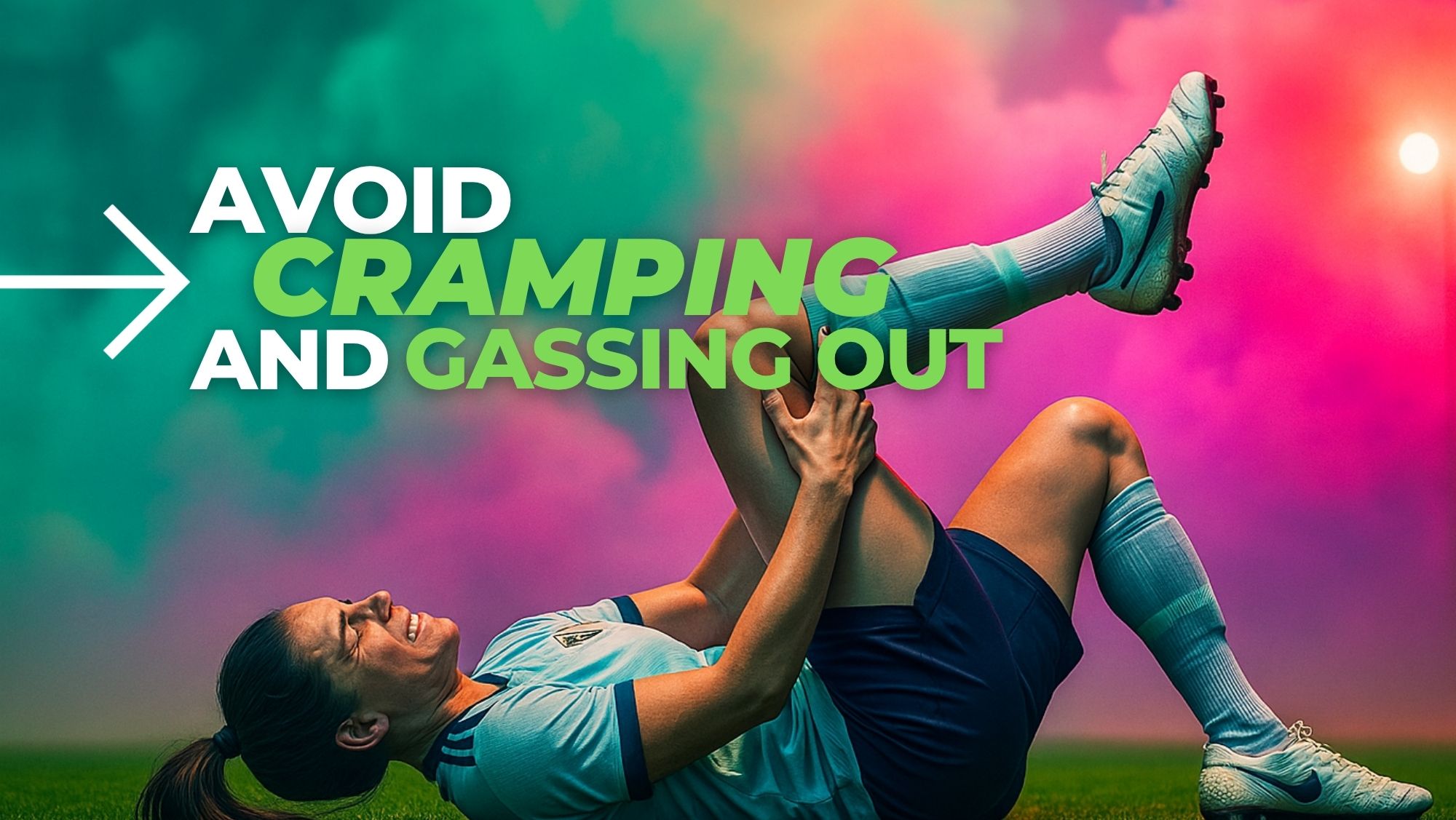
Stronger breathing muscles support your mobility and your movement patterns and allow for better oxygen uptake to brain and muscles. When others overbreathe, gas out or cramp - you stay dangerous and strong in 1v1 situations.

RECOVERY & ENERGY
Ready again Tomorrow
When your nervous system is balanced you switch off better. You sleep deeper and you come back stronger the next day. More stable consistency instead of one day on and the other day off again.
MEET YOUR COACH
STEFAN PETER

MAS in Sports Health & Leadership | Mental Performance Coach | Certified Oxygen Advantage Instructor

As a young Goalkeeper, I was scouted by Manchester United and later had a trial with Leyton Orient in the UK when I was 17. It was a big opportunity but I didn’t take it - because under pressure, I couldn’t stay calm, confident, and focused. My whole body would tense up, I was overthinking and doubting myself - unable to snap out of it in order to play up to my potential.
"I wish I had known then what I teach players today."
Today, I’m trained in Sport Psychology at FC Barcelona, hold a Master’s degree in Sports Health & Leadership, and I am certified as an Advanced Oxygen Advantage Breath Trainer. I have worked with players including clubs like Bayern Munich, Gotham FC, AFC Bournemouth, College Players and International Youth Academies.
Inside the breathwork program, I teach the methods also used by Navy Seals and elite teams like Liverpool FC and the English National Team - practical tools to help stay calm under pressure and gain a physical advantage most players still underestimate.

Why Breath Training For Mental Performance?
Most mental training focuses on the mind - training affirmations, visualization, repeating mantras. Most of the time it does not work. Because truth is your body - your biology - decides before your brain does.
Calm confidence and stress resilience lives in your autonomic nervous system first.
If your body perceives threat, no amount of positive self-talk will override it.
The elite train physiological control first - breath, posture, gaze - so their brain gets the message:
“We’re safe. We’re ready.”
That’s why ancient warriors practiced controlled breathing before battle, why Navy SEALs use their breath to prepare mentally before missions and why fighter pilots train Stresstolerance through breathwork.
OUR GAMEPLAN
MOVE-THINK-FEEL- PERFORM BETTER
3 pillars to build the biological foundation for high performance. Proven exercises specifically for football/soccer. Pre game - Mid game - Post game. Tools you can use immediately on and off the pitch.

1 - Bio Mechanics & Breath Control
Build the physical foundation to move and focus better
RESULT: You start the game focused -avoiding "easy" mistakes and reduce the risk of gassing out because of weak breathing muscles.

2 - Stress Control & Mental Toughness
Stay calm under pressure
RESULT: When pressure rises in big games or trials you stay calm and perform up to your full potential.


3 - Emotional Regulation & Mindfulness
Nervous system training and arousal control
RESULT: No more emotional swings after mistakes. No spirals after games. Steady mind and steady emotions.
THE SOCCER BREATHWORK PROGRAM
What's included
Every player trains their legs, their tactics, and their technique. Almost none train the system that powers all three - the breath. This program fixes that gap, physically and mentally.
4 Live Calls with Stefan Peter: One 60min training per week. We assess your breathing mechanics, track your progress and build your personal protocol - pre game calm&focus, in game reset, post game recovery and more.
Guided Breathwork Audio Library: Downloadable sessions for before the warmup, the night before the game, after a tough training or whenever your nervous system needs a reset.
Daily Check-ins via Whatsapp: Every day for 21 days, Stefan checks in. A breathing variation, a pre game mental prep, a research insight to help build champion mindset and the breathing system of a pro. Your personal performance coach daily on your side - not just on call days.
Small Group: Maximum 10 players per cohort. New cohorts start every month, with two scheduling options so you can find a time that fits around your training and games.
Option 1: Mondays - 8PM GMT
Option 2: Tuesday - 8PM GMT
597 GBP
(7 day money back guarantee)
WHY BREATHWORK WORKS?
SCIENCE BASED EFFECTS
HELPS REDUCE
INJURY RISK
Poor core stability increased ACL injury risk by up to 3.5×. (Zazulak et al., 2007 (Am J Sports Med)
Diaphragm strength training helps stablize the core and reduces side stitches significantly.
MORE OXYGEN UPTAKE
TO IMPROVE ENDURANCE & SPRINTS
Performance breath training can improve RSA -repeated sprint ability- by up to 30–64% and endurance and VO2 max by up to 8-15% (European Journal of Applied Physiology)
Breath-focused warm-ups improve athlete performance in the first 15 minutes of play.
89% of players improved accuracy with pre-shot breathing routines.
BETTER
RESILIENCE & RECOVERY
Controlled breathing techniques optimize HRV- heart rate variability - and accelerate recovery between training sessions by up to 30%.
Athletes using breathwork fall asleep faster and have more REM sleep.
IMPROVES
FOCUS& CONCENTRATION
Breath training helps improve Mindfulness and Concentration.
More confidence and less anxiety before games.

HOW PRO TEAMS
USE BREATH TRAINING

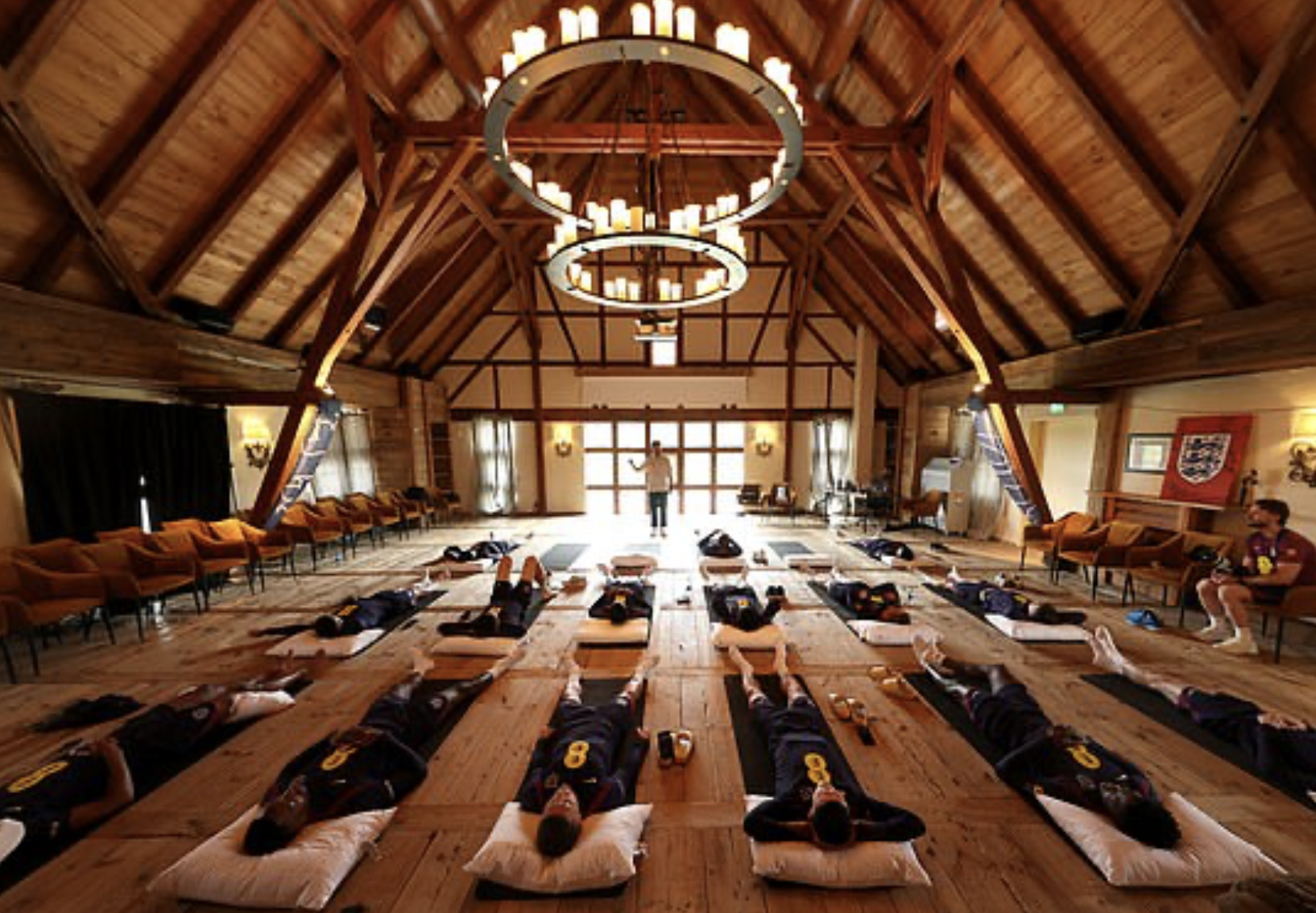
English Nation Team
Euro 2024
During the Euros 2024 the team around Harry Kane prepared themselves mentally before games to stay calm and composed, especially before penalty shootouts.

Liverpool FC
Body Wake Up Protocol
Arne Slot introduced a new protocol called "Body Wake up." Players now do breath training to prepare mentally and physically for games and training sessions.

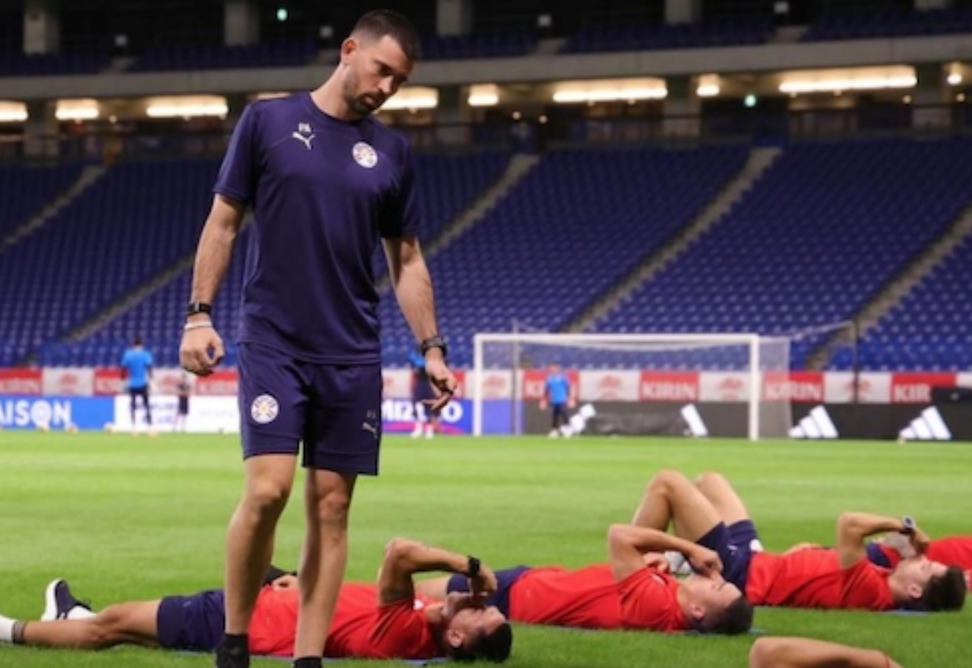
Paraguay National Team
Mental Warmup before games
Using Oxygen Advantage Instructors the Paraguay National Team warms up the respiratory system, sharpens focus and oxygen delivery to help get into mental flow states before the game starts.


Case Study 1: Alexander - Losing Focus During Breaks
Alexander - Austria Second Bundesliga Player. He noticed losing focus regularly right after short breaks like throw-ins, corner kicks, injury breaks etc. He’d switch off for just a moment - mind drifting away from the game. That was often enough for him to miss the next situation in the game or make "unusual" mistakes.
What is happening? After intense moments, when breathing stays fast and shallow the heart rate doesn’t settle, the nervous system stays tense, and the brain gets less oxygen. Research shows that when breathing and heart rate stay irregular, focus concentration and reaction speed can drop.
Through breath training, Alexander learned how to use his breathing to reset between plays, and increase his attention span. (Focus + Concentration + Attention Span = Success) Within weeks, he reported feeling more composed, making fewer silly mistakes, and stayed switched on from the first to the last whistle.
Case Study 3: Sofia - Waking Up Tired and Lack of Energy Pre-Game
Sofia, US College Player. She used to wake up feeling tired and also starting games feeling flat and low in energy. She and her coach didn’t want extra routines, so she needed something simple that didn’t interrupt training.
What’s happening? Due to her college demands and soccer expectations Sofia was chronically stressed, over-breathing even during light exercise and warm ups. It kept her body tense and delayed her recovery and sleep.
Simple breathing exercises helped Sofia build the habit to breathe light and steady during warm-up and before going to bed to help her calm down and sleep better to feel more energy before games and trainings.
Case Study 5: Diego - Anger and Emotional Control
Diego, 15-year-old academy player. His problem was losing his temper and getting stuck in frustration after mistakes like a missed pass, or a bad call. His dad said, “When Diego’s calm, he’s brilliant. But when he’s angry, he’s gone.”
The brain floods with adrenaline, and clear thinking disappears. Studies show that when the nervous system is overstimulated, emotional regulation drops sharply (Thayer & Lane, 2000).
Diegos daily breath protocol including short recovery breaths right after mistakes, helped him calm his body before his emotions took over. Within weeks, he stayed more composed and made faster recoveries after errors.
Case Study 7: Josh - Weak Communication and Vocal Power
Josh, 16-year-old international center-back. His coach wanted him to be louder and command the team from the back, but Josh felt shy, tense, and struggled to project his voice.
Through breathing exercises and mental performance training his communication improved, his teammates started responding, and he began to feel more confident on the pitch.
Case Study 2: Miguel - Nervous Before Penalties
Miguel, 17 year old Spanish talent. Every time he stepped up for a penalty, his heart would race with fast and shallow breathing. His goal was to become more calm and decrease his nervousness in important moments of the game.
What’s happening? When players are too stressed and their nervous system is out of balance, their attention shifts outward, like focusing on the goalkeeper, instead of on their own execution. As a result, they’re more likely to miss the shot (Wilson, Wood & Vine, 2009).
Through breathwork, Miguel learned to calm his nervous system before penalties - inspired by CR7’s Euro 2024 data, showing his heart rate drop from 170 to under 110 bpm during shootouts. We developed a new penalty mindset and breath routine that helped Miguel center his focus on himself instead of the noise. He immeditately felt more composure, confidence, and under control.
Case Study 4: Lisa - Hesitant Goalkeeper with Fear of Pressure Moments
Lisa, Pro Goalkeeper, struggling with confidence and presence in the box. Before corner kicks or long free kicks, she’d feel her body tense up and her mind race. Players coming at her in full speed made her hesitate, feel intimidated and often unsure whether to come out or stay.
She knew the problem was about state control. Her breathing was out of her control, keeping her system in “freeze” mode instead of the self confident and alert focus (positive aggression) she needed.
We developed her personal in-game breathing techniques, to help her stay balanced between calm and focused energy. Her body language shifted immediately: taller stance, sharper movements and stronger presence in the box.
Case Study 6: Ani - Performance Anxiety
Anxiety and freezing before matches but also big tests. She said it felt like her “body locked up.” Her breathing became shallow, her heart raced, and she couldn’t think clearly.
This happens when over-breathing reduces oxygen flow to the brain a reaction known as hypocapnia-induced cerebral vasoconstriction. The result: your body feels tense, and your brain goes blank.
With breath training, Ani learned how to slow her breathing and control especially her exhale before pressure moments. Her body calmed down, her focus returned, and she no longer feels paralyzed before matches or exams.
Case Study 1: Alexander - Losing Focus During Breaks
Alexander - Austria Second Bundesliga Player. He noticed losing focus regularly right after short breaks like throw-ins, corner kicks, injury breaks etc. He’d switch off for just a moment - mind drifting away from the game. That was often enough for him to miss the next situation in the game or make "unusual" mistakes.
What is happening? After intense moments, when breathing stays fast and shallow the heart rate doesn’t settle, the nervous system stays tense, and the brain gets less oxygen. Research shows that when breathing and heart rate stay irregular, focus concentration and reaction speed can drop.
Through breath training, Alexander learned how to use his breathing to reset between plays, and increase his attention span. (Focus + Concentration + Attention Span = Success) Within weeks, he reported feeling more composed, making fewer silly mistakes, and stayed switched on from the first to the last whistle.
Case Study 2: Sofia - Waking Up Tired and Lack of Energy Pre-Game
Sofia, US College Player. She used to wake up feeling tired and also starting games feeling flat and low in energy. She and her coach didn’t want extra routines, so she needed something simple that didn’t interrupt training.
What’s happening? Due to her college demands and soccer expectations Sofia was chronically stressed, over-breathing even during light exercise and warm ups. It kept her body tense and delayed her recovery and sleep.
Simple breathing exercises helped Sofia build the habit to breathe light and steady during warm-up and before going to bed to help her calm down and sleep better to feel more energy before games and trainings.
Case Study 3: Diego - Anger and Emotional Control
Diego, 15-year-old academy player. His problem was losing his temper and getting stuck in frustration after mistakes like a missed pass, or a bad call. His dad said, “When Diego’s calm, he’s brilliant. But when he’s angry, he’s gone.”
The brain floods with adrenaline, and clear thinking disappears. Studies show that when the nervous system is overstimulated, emotional regulation drops sharply (Thayer & Lane, 2000).
Diegos daily breath protocol including short recovery breaths right after mistakes, helped him calm his body before his emotions took over. Within weeks, he stayed more composed and made faster recoveries after errors.
Case Study 4: Josh - Weak Communication and Vocal Power
Josh, 16-year-old international center-back. His coach wanted him to be louder and command the team from the back, but Josh felt shy, tense, and struggled to project his voice.
Through breathing exercises and mental performance training his communication improved, his teammates started responding, and he began to feel more confident on the pitch.
Case Study 5: Miguel - Nervous Before Penalties
Miguel, 17 year old Spanish talent. Every time he stepped up for a penalty, his heart would race with fast and shallow breathing. His goal was to become more calm and decrease his nervousness in important moments of the game.
What’s happening? When players are too stressed and their nervous system is out of balance, their attention shifts outward, like focusing on the goalkeeper, instead of on their own execution. As a result, they’re more likely to miss the shot (Wilson, Wood & Vine, 2009).
Through breathwork, Miguel learned to calm his nervous system before penalties - inspired by CR7’s Euro 2024 data, showing his heart rate drop from 170 to under 110 bpm during shootouts. We developed a new penalty mindset and breath routine that helped Miguel center his focus on himself instead of the noise. He immeditately felt more composure, confidence, and under control.
Case Study 6: Lisa - Hesitant Goalkeeper with Fear of Pressure Moments
Lisa, Pro Goalkeeper, struggling with confidence and presence in the box. Before corner kicks or long free kicks, she’d feel her body tense up and her mind race. Players coming at her in full speed made her hesitate, feel intimidated and often unsure whether to come out or stay.
She knew the problem was about state control. Her breathing was out of her control, keeping her system in “freeze” mode instead of the self confident and alert focus (positive aggression) she needed.
We developed her personal in-game breathing techniques, to help her stay balanced between calm and focused energy. Her body language shifted immediately: taller stance, sharper movements and stronger presence in the box.
Case Study 7: Ani - Performance Anxiety
Anxiety and freezing before matches but also big tests. She said it felt like her “body locked up.” Her breathing became shallow, her heart raced, and she couldn’t think clearly.
This happens when over-breathing reduces oxygen flow to the brain a reaction known as hypocapnia-induced cerebral vasoconstriction. The result: your body feels tense, and your brain goes blank.
With breath training, Ani learned how to slow her breathing and control especially her exhale before pressure moments. Her body calmed down, her focus returned, and she no longer feels paralyzed before matches or exams.
Got more questions? (FAQ)
No, the program is designed to compliment, not interrupt your training. Most sessions only take 10-15mins and can even be integrated into your on pitch warmup session or cool downs. we focus on the techniques that actually improve performance for footballers not hype.
The program can be done in season or off season. The breathing techniques are low impact and help athletes recover faster between sessions, sleep better and manage stress on and off the pitch.
Yes! For players who want personalized guidance, we offer 1:1 coaching. This lets us tailor exercises to your breathing patterns, recovery needs, and performance goals, so you get faster and deeper results. Get in touch to see if you quality for personal coaching (limited availability) 4 week 1:1 coaching: 997USD
Yes - and they should. For injured players breathwork becomes a powerful tool to support recovery and stabilize the nervous system in order to deal with the emotional ups and downs during recovery.
Stefan Peter is a certified Advanced Oxygen Advantge Breathwork Coach. He holds a Masters Degree in Sports Health and Leadership and is trained in Sports Psychology for High Performance and Athlete Development by FC Barcelona.
© Copyright 2025 - All rights reserved | Stefan Peter Coaching LLC
Join the next Cohort - Monday July 6, 2026
By continuing you confirm you are a competitive soccer player or the parent of one.
Your data is secure, payment via Paypal or Creditcard
Join the next Cohort - Monday July 6, 2026
By continuing you confirm you are a competitive football player or the parent of one.
Your data is secure, payment via Paypal or Creditcard